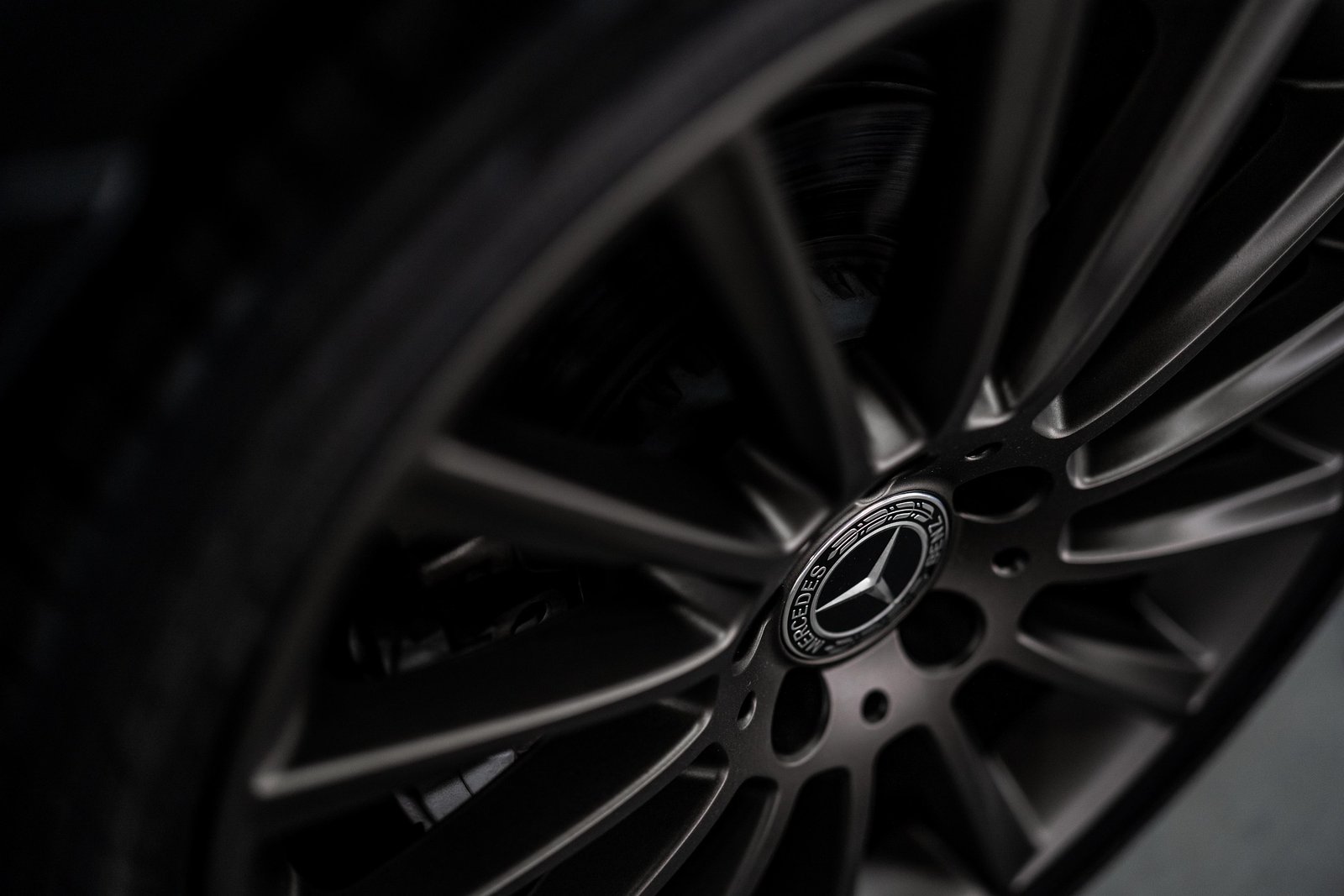
Your wheels carry every errand, every school run, every late-night drive. You feel them in the steering, yet they rarely get the spotlight. Tyres get checked. Rims are easy to forget. Until something feels off. A wobble here. A pull there. Maybe a slow leak that keeps returning. That’s why learning how to spot problems with your car tyre rim is essential. It keeps your drives safe and helps you avoid bigger costs down the road.
Spot It Early: Cracks, Bends, and Hidden Rim Damage
Start with what you can see. If you notice a crack, even a hairline, treat it like a red light. Metal fatigue does not heal itself. Under pressure, small splits can spread and compromise safety.
Bends create similar problems. Hit a deep pothole or clip a curb at the wrong angle and the rim lip can deform. The tyre no longer seats evenly, so the wheel will not balance well. You’ll feel it in the steering and later see it as uneven wear. Some minor bends can be repaired by specialists, but severe warping deserves a straight answer. For your safety and long-term savings, replacement is often the wiser move.
Feel It on the Road: Vibrations, Pulling, and Poor Steering
Your hands are your best sensors. If the steering wheel shakes at speed, something is out of balance. Yes, tyres or alignment can play a role. But if you’ve recently done both and the shake stays, a bent or out-of-round rim is likely.
Pulling to one side is another sign. You may notice it under braking or on straight roads. When a rim is no longer true, the tyre cannot track the way it should. Steering feels vague. Response lags a little when you turn, then snaps back harder than expected. If you’ve felt this and told yourself it’s minor, give yourself credit for noticing. Your instincts are working. Act on them.
After your next drive, ask yourself: did the car feel planted or unsettled? If unsettled, book a quick inspection. You’ll either get reassurance or you’ll catch a rim problem before it becomes a larger repair. And if you’re running high performance tyres and rims, even a slight imbalance can spoil the precise handling you expect.
Leaks, Rust, and Rapid Wear: The Silent Budget Killers
Slow leaks are sneaky. You top up the tyre, and it’s low again in a few days. If you’ve checked for punctures and the valve seems fine, look to the rim. A bent lip or pitted bead seat prevents a clean seal. Air escapes. Fuel economy drops. Tyre shoulders run hotter and wear out early. You keep paying for top-ups and, eventually, a new set of tyres you should not have needed yet.
Corrosion adds another layer. Water, road salt, and brake dust can creep under the finish and create flaking or pitting. What starts as a cosmetic issue becomes a sealing problem and, in time, a strength issue. If the finish is bubbling or you see rough, chalky metal at the bead, that rim is not giving your tyre the seat it deserves. You’ll deal with leaks until you replace or fully recondition the wheel. Past a certain point, replacement is the better investment because it restores structural reliability and ends the cycle of recurring leaks.
Then there’s uneven wear. Look at your tread. Do you see feathering, cupping, or one edge wearing faster than the other? If rotations and alignments are up to date, the rim may be the hidden cause. A tyre that’s not seated evenly will scuff the road instead of rolling smoothly. That reduces grip in wet conditions and shortens tyre life. Replacing the car tyre rim resets the system. Your next set of tyres gets the best chance to last. For many drivers, pairing new rims with tyre replacement and rim services offers peace of mind that the entire wheel assembly is ready for the road.
Don’t Ignore the Sounds: Thumps, Clicks, and Clunks
Wheels talk. They just use sounds instead of words. A steady thump that rises with speed can point to an out-of-round rim. A click or light clunk while turning might signal a bent lip allowing the bead to shift under load. You’ll hear this most on uneven surfaces, during tight turns into parking lots, or when you ease over speed humps.
Yes, noises can come from other parts of the car. But you know your car’s soundtrack better than anyone. If there’s a new rhythm in the mix, investigate. Keep the test simple. Stay at a steady speed on a road you know and listen. Then repeat at a slightly higher speed. Make an easy lane change. Take a slow, wide turn. If the sound is consistent in those moments, it deserves attention.
Catching these audio hints early prevents a spiral of problems. You’ll stop small rim defects from becoming large fractures. You’ll stop a loose bead from damaging a tyre’s inner liner. You’ll stop a vibration from chewing into suspension parts. In short, you’ll cut down the noise and the costs. And if your car runs on stylish alloy wheels and rims Singapore workshops supply, those early checks also keep your ride looking as sharp as it feels.
Act Now: Replacement Benefits and Habits That Protect Your Rims
Replacing a damaged rim is not just a purchase. It’s a reset. You restore balance, protect suspension parts, and give your tyres a fair start. You’ll feel steadier steering at highway speeds and calmer feedback over rough patches. You’ll also stop paying for repeated balances, slow-leak top-ups, and premature tyres. Safety improves. Comfort improves. Costs settle down.
You’ll get even more return if you change a few habits. First, slow down for road defects. A slight speed reduction over rough surfaces reduces impact energy more than you’d think. Second, give curbs space when parking. That extra 5 centimeters saves lips and finishes. Third, wash wheels during regular car washes. Brake dust, salt, and grime trap moisture against the metal. A quick scrub keeps the surface healthier and helps you spot problems sooner. Fourth, schedule rotation, balance, and alignment on time. If the technician flags a wheel that will not balance within spec, you’ll know right away which rim needs attention.
Finally, build a simple inspection routine you’ll actually do. After long road trips, peek at each rim. If one tyre keeps lagging behind, you’ve got data to support a quick visit to the shop. Whether you’re considering custom car wheel rims for a new look or sticking with factory sets, the habits are the same. Protect them early, and they’ll serve you longer.
And if you already own rims showing surface flaws but not deep structural damage, ask about car rim repair and refurbishment. Professional services can restore finish and minor shape issues, giving you more life before replacement becomes necessary.
Conclusion
You take care of the people in your car. This is part of that care. The signs are clear when you know them. Cracks, bends, and subtle distortions you can spot with a patient look. Vibrations and pulling you can feel with your fingertips. New thumps and clicks that hint at a wheel that’s no longer true. When you see or feel these signals, you are not being picky by taking action. You are being wise.
Replace the car tyre rim that’s letting you down and you’ll notice the difference the first time you merge onto a fast road or turn into your driveway. The car will feel settled. The steering will feel precise. Tyres will wear the way they should. If you’ve noticed any of the signs we covered, book a quick inspection and get a clear plan. Your next drive can be smoother, safer, and a lot less stressful.
Leave a Reply